The history before Diora.
Why I started building Diora, and why it is about plants.
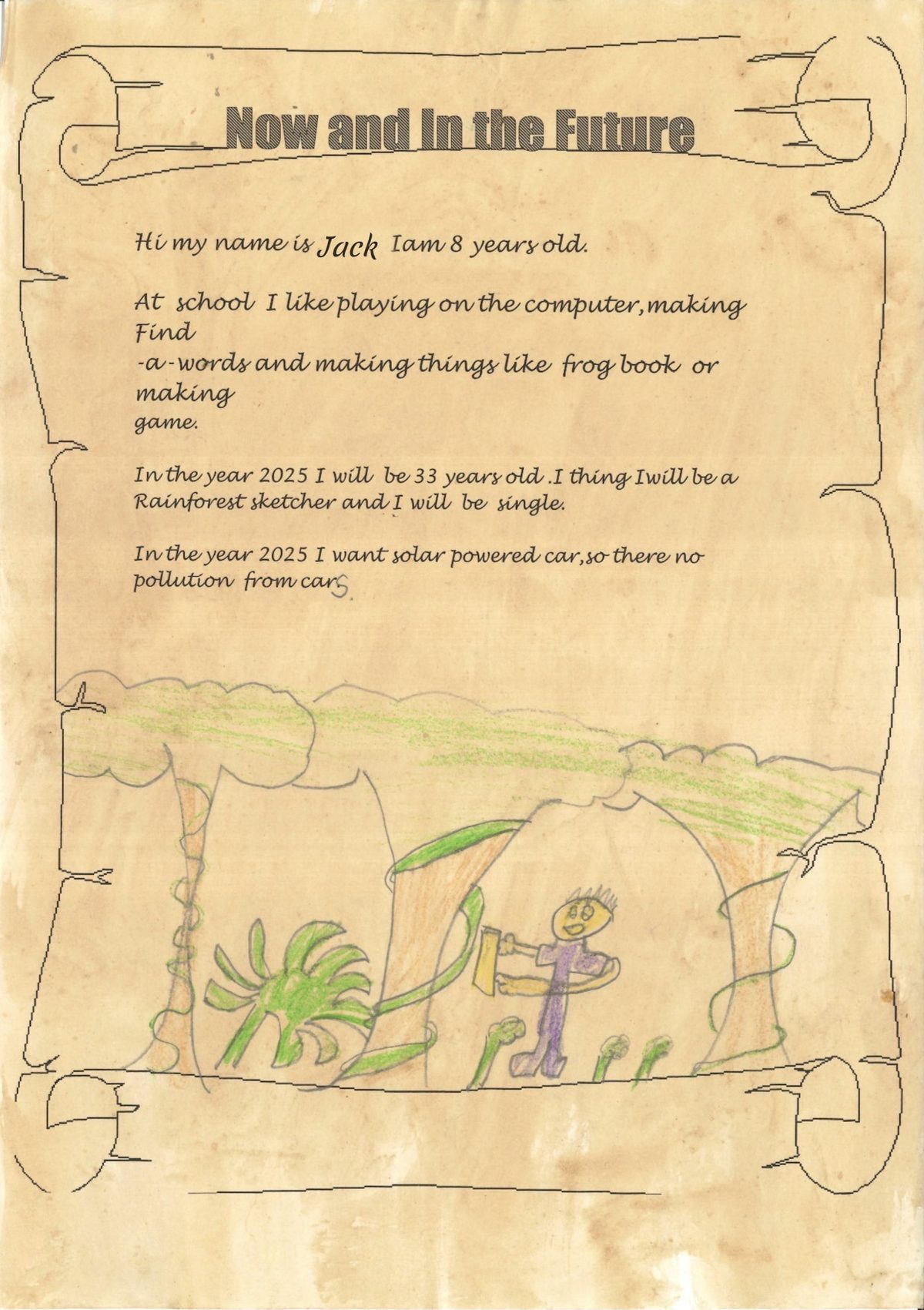
The note in the time capsule
When I was about eight, my primary school buried a time capsule. My note said I wanted to be a rainforest sketcher, and it named the year 2025. I still have a photo of it. The drawing under the words is a rainforest, with a boy in the middle of it holding a sketchbook.
“I wanted to be a rainforest sketcher.”
Where it comes from
I grew up in Virginia, a small town north of Adelaide in South Australia, on farmland. My parents grew tomatoes, cucumbers and capsicums on acres of land and sent them to other states. I grew up surrounded by plants. Every new season, my mum had me plant the first seedling, for luck. She would wait for me to put it in before the rest of the pallets went in the ground.
What I grow now
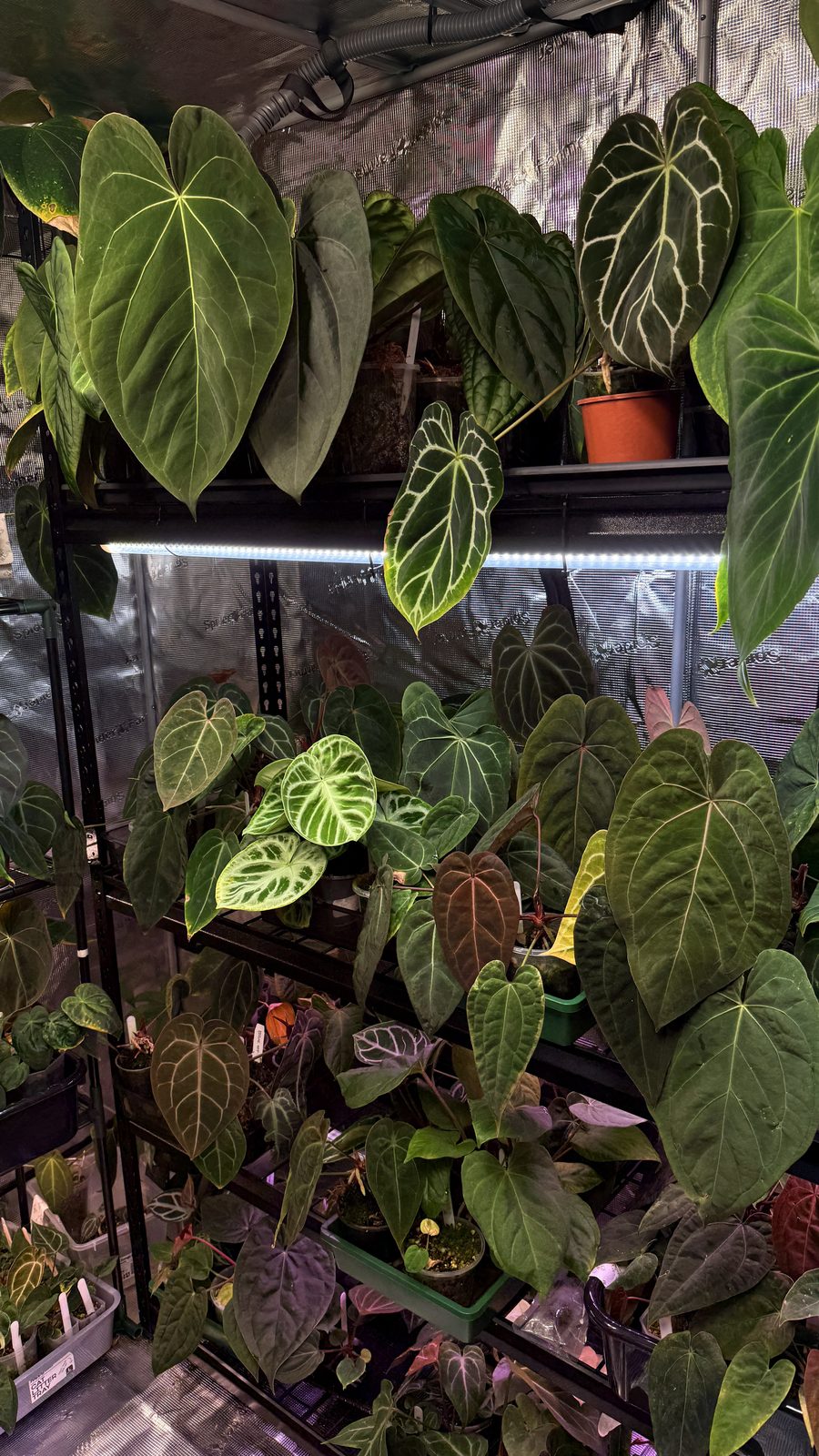
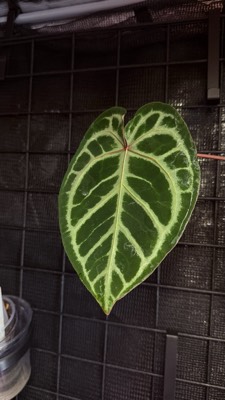
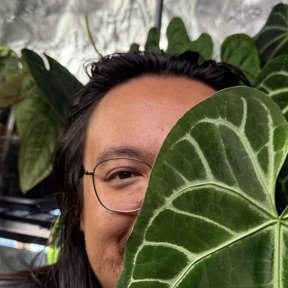
I have collected rare plants since 2023. Today I have a garden, and a grow tent with grow lights, controlled humidity and automation, for my anthuriums, alocasias and philodendrons. Technology has been the other constant. I was writing code and scripts as a teenager to run my own game servers, and I have worked in software and product for about a decade. It has followed me into the plants: there is a microscope on the desk for leaves and the bugs that eat them, and a macro lens that clips onto my phone for the things I cannot see with the naked eye.
The people
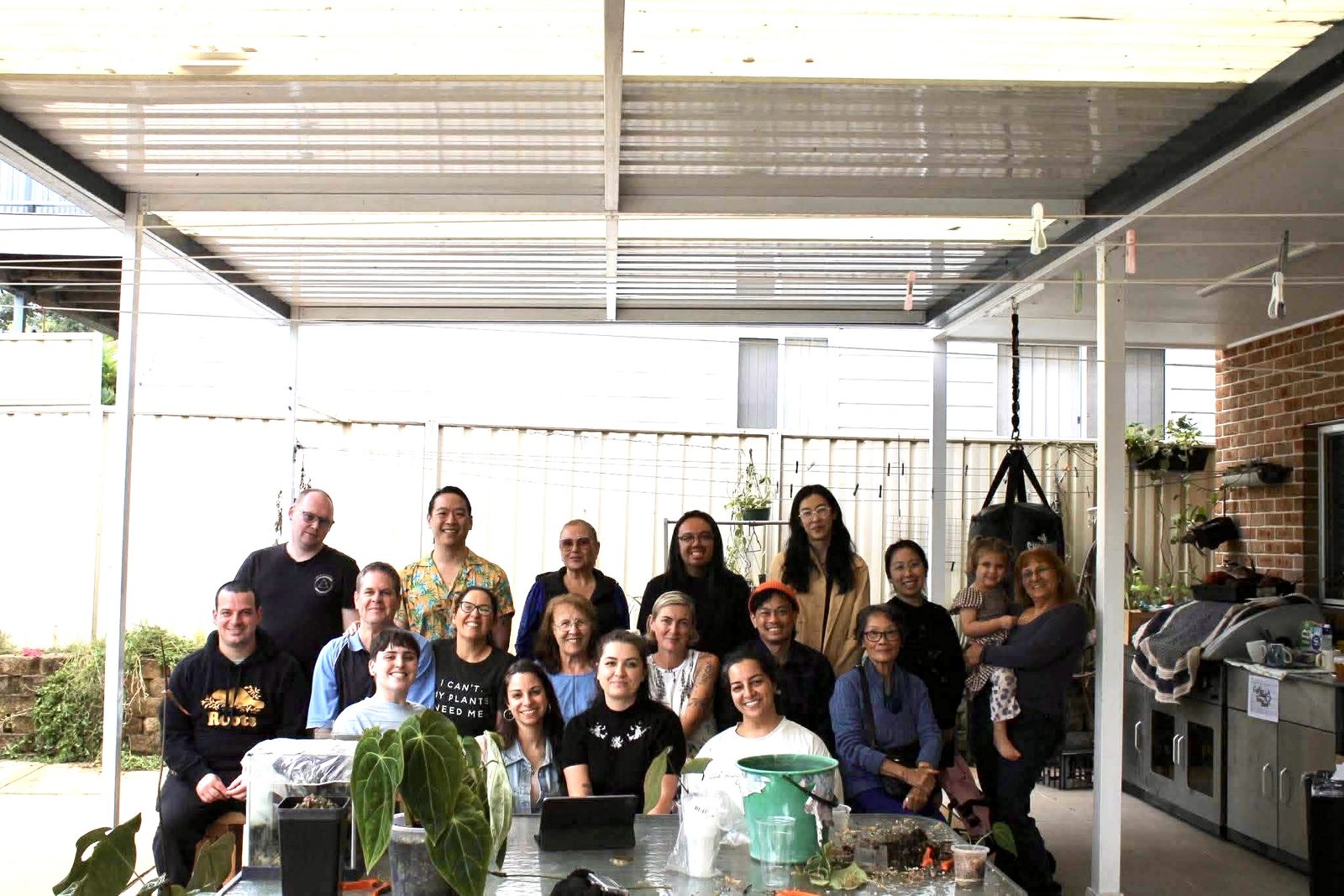
Most of all, Diora comes from the people I met through plants. The Facebook group Philodendron and Anthurium Lovers of South West Sydney, also called PALs of SWS, was founded by Michelle (@grownbymichelle) and is run with Tan (@tannguyen). It grew large, and I made many friends there: people who grow what I grow, who will tell you how they care for a plant, what they do about pests, and swapping plants with each other.
What Diora is for
Diora puts those together: the farm, the hobby (propagating, growing from seed, breeding) and the people. For a collector it changes a few concrete things. Your plants are real plants from a real collection, each with its photos and its dates, and a plant's history follows it from one owner to the next.
I want it to be a place where people keep sharing and propagating plants, cultivate new ones and pass on new ways of caring for them and breeding them. I hope that, in the long run, some of it feeds back into botany, and that the journals and records one day reflect what people on Diora have observed and written down. All of it should give people the freedom to create new things.
If you want to follow along, I am @jack on Diora. If there is something you want Diora to do, write to me.
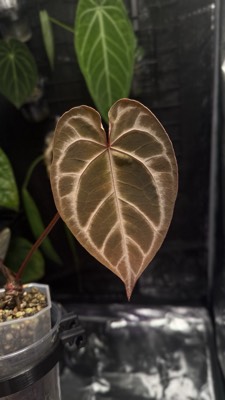
Bring your plants.
Free, on the App Store and Google Play.